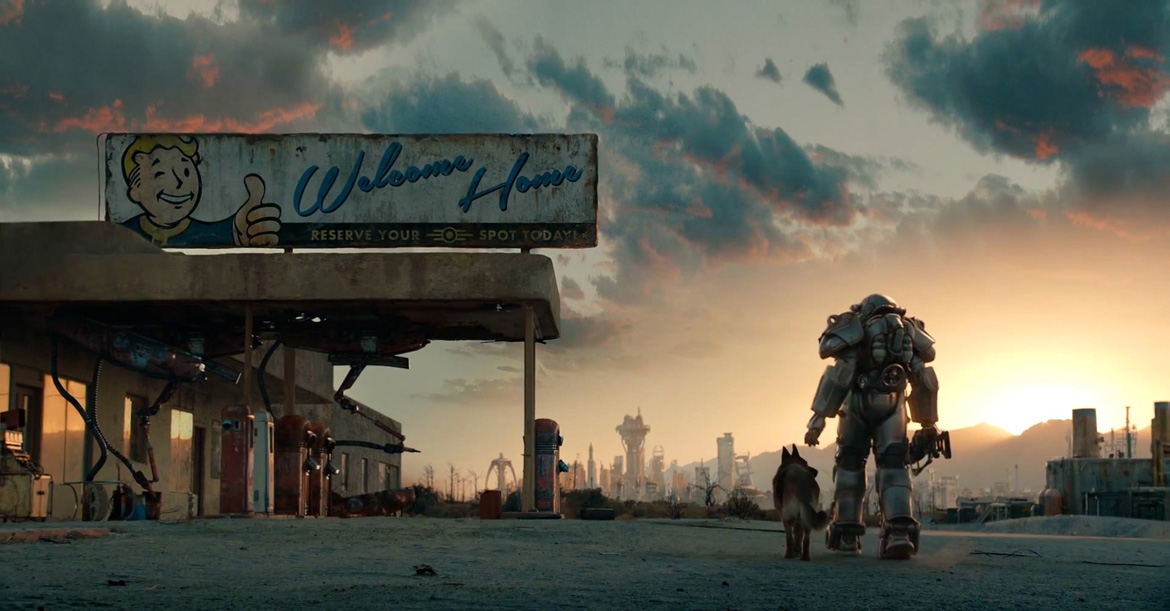
When Tim Cain, creator and lead programmer of the original Fallout, explores the topic of canon, he does so from a rare vantage point of a veteran developer who shaped one of gaming’s most iconic RPG universes. In his recent video essay on his YouTube channel, Tim offers a grounded, no-nonsense take on canon; one that pushes back against common fan-culture dogmas, acknowledging the messy reality of IP ownership, interpretation, and evolving storytelling.
“I define canon for an IP as whatever the owner of the IP says it is.”
We all get invested in the games we play, especially those that are of such nature where the narrative, the story of the game and its lore is very important. This goes beyond games and goes into the area of books and movies as well – think just how much ire among the Star Wars fans the decision from Disney caused when they declared pretty much everything besides the Episodes I-VI and Clone Wars series to no longer be the Star Wars canon. This included the well-acknowledged Thrawn book series, comics and video game stories released up to that point. It is only “reasonable” that the topic of canon gets the blood pressure of many a fan going.
One of Cain’s most blunt statements: canon ultimately belongs to whoever owns the intellectual property. What fans consider “true lore” is subordinate to legal and creative control. Which makes sense, and kudos for ripping the band aid so quickly.
He vehemently opposes the interpretation that the players can define canon and have the narrative defining superiority over the IP owners themselves.
“You can’t say game players define canon because you have no consensus. You’re going to have hundreds, thousands, millions of canons.”
For Tim Cain, storytelling in games has never been a one-way street. Even as the original creator, he recognizes that once a game is released, control diminishes. Players, modders, sequels, publisher decisions shape the meaning of a game long after its launch. Thus, insisting on a single “true meaning” is both unrealistic and creatively stifling. Instead, Cain embraces a pluralistic understanding; a story can have many lives, many interpretations. This is a strength, not a weakness.
This is particularly relevant for players of long-running franchises, where each new installment may re-examine, reinterpret or even contradict what came before. Cain’s approach allows for that without turning every change into a moral or “lore purity” crisis.
What players can do, however, is interpret the canon how they want. I fully agree with that, even more so, I have done it at times where the story or canon itself has been ambiguous.
“The best part of interpretation is you can’t be wrong. No one can tell you what you got out of the game.”
To this day, I will stand behind my conscious decision to believe that Rick Deckard from the original Blade Runner (1982) was not a replicant, regardless of what version of the movie you watch or which (contradicting) statement from Ridley Scott you are paying attention to (also, go and read Future Noir: Making of Blade Runner book from Paul Sammon for more clarity).
Canonclusion
“Intent doesn’t have to be canon, and it doesn’t have to be interpretation… Canon is what it is. Intent is what it is. Interpretation is what it is.”
In the end, Cain’s take on canon cuts through a lot of the noise that usually surrounds lore debates. For developers, it’s a reminder that once an IP changes hands, the new owners have the authority to reshape the universe, but they also carry the weight of keeping it coherent. For players, it offers a way to enjoy a game’s world without getting trapped in endless arguments about what’s “real.” Interpretations can vary, and that’s part of the fun.
Across the industry, where franchises span games, shows, comics, and constant updates, rigid canon can choke creativity. Cain’s approach leaves room for change, reinvention, and new ideas. By treating canon as a guide instead of gospel, he gives both creators and fans a healthier way to talk about the worlds they care about.
